Close Button
Dupuytren’s fasciectomy
Dupuytrens fasciectomy, or palmar fasciectomy, is surgery to treat Dupuytren’s contracture, a condition that causes thickening of the skin on the palm of the hand.

Two people at the races, one looking through binoculars
FAQs Team Contact us
A woman and man walking in the hills
10% discount for Benenden Health members

Benenden Health members are entitled to 10% off treatments over £1,000. Payment plans available.

View member discounts arrow right
A man carrying a pile of wooden planks on his shoulder
Work-related injury care

If you’re a manual worker, injuries such as strains and sprains can be debilitating. Discover our advice hub for injury prevention and treatment options.

Treatment for work-related injury arrow right

FAQs

What is Dupuytren’s contracture? +

Dupuytren's contracture (Dupuytren's disease) occurs when connective tissue in the hand becomes shortened, preventing you from fully extending your finger. The condition usually affects the two fingers furthest from the thumb on one or both hands and develops over many years.

The condition can affect one or both hands and, in rare cases, can also affect the toes and soles of the feet.

What causes Dupuytren’s contracture? +

It's not known exactly what causes Dupuytren's contracture, but research suggests there may be several factors that could make you more susceptible to the disease:

  • Genetic or a family history of the disease
  • Suffering from diabetes may have an affect
  • Treatment for epilepsy using anticonvulsants
  • Excessive smoking or drinking
What are the symptoms of Dupuytren's contracture? +

Characteristic symptoms of Dupuytren's contracture are:

  • Lumps of tissue/nodules on the palm of your hand (or hands)
  • A local thickening of the skin in the palm of the hand
  • Tenderness on the palm
  • Fingers bent towards the palm as bands of contracted tissue (called cords) develop in your hand
  • Inability to perform day to day tasks because you’re unable to fully straighten your fingers
  • Dimples or pitted marks on the skin because of the constant tension
How is Dupuytren’s contracture diagnosed? +

Your GP will be able to diagnose Dupuytren's contracture by examining your palm and hand for signs of the condition.

What is Dupuytren’s contracture treatment? +

If the condition is affecting your quality of life, you may be referred to our Consultant Orthopaedic Surgeons for further assessment and any appropriate treatment, including a Dupuytren’s fasciectomy or talk you through some Dupuytren's contracture exercises that can help the condition.

What is a Dupuytren’s fasciectomy? +

Dupuytren’s fasciectomy is Dupuytren’s contracture surgery. The surgery corrects the local thickening of the skin in the palm of the hand or on a finger. It also corrects the fingers that have been pulled towards the palm of the hand.

What happens during a Dupuytren’s fasciectomy? +

This procedure involves the surgical removal of the thickened tissue which connects the hand and fingers. The operation may be carried out under a general anaesthetic (so you’ll be asleep during surgery) or a local anaesthetic (so you won’t be able to feel any pain).

Depending on the severity of the condition, the procedure can be carried out in one of three different ways:

  • segmental fasciectomy – one or more small incisions are made in order to remove small segments of connective tissue
  • regional fasciectomy – a single, larger incision is made though which all the affected tissue is removed. This is the most commonly used procedure.
  • dermofasciectomy – the affected connective tissue is removed together with the overlying skin and the wound is covered with a skin graft (from another part of your body). This procedure will be used if the skin is also affected by the disease.
What should I expect after Dupuytren’s fasciectomy? +

After the surgery the finger(s) will be straighter, but daily exercises may be needed to maintain the benefits of the surgery. Occasionally patients may also need to wear a splint for some time after surgery

You may have some pain or discomfort after the operation which we’ll help you manage with painkillers. You may need to take some time off work.

We’ll tell you how to care for your wound and, if you’ve had non-dissolvable stitches, we’ll make an appointment for you to have them removed. The scar may be tender for several weeks. You may be recommended some hand therapy to help you recover full movement in your finger. This may involve physiotherapy or occupational therapy.

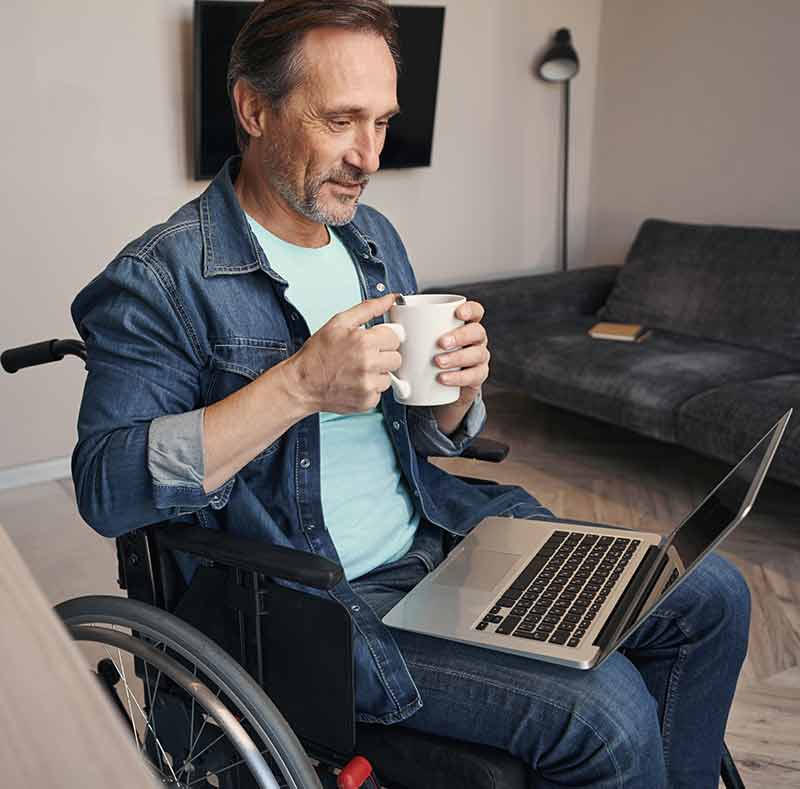
A man holding a coffee cup

Our Consultant Orthopaedic Surgeons

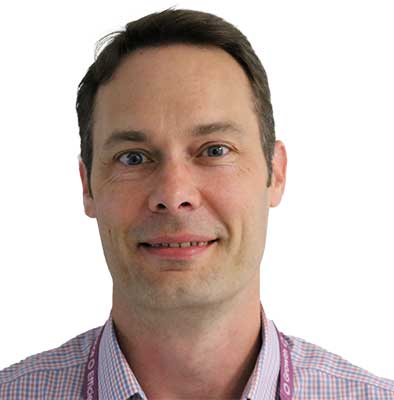
Christopher James

Christopher James

Orthopaedic and trauma consultant

Language(s): English

Location(s): Kent

Mr James' specialties include open and arthroscopic hand, wrist and elbow procedures.
Mr Christopher James arrow right
Daniel Neen

Daniel Neen

Consultant Orthopaedic Surgeon

Language(s): English

Location(s): Kent

Mr Neen's specialities include clavicle surgery, shoulder surgery, elbow surgery and wrist and hand surgery.

Mr Daniel Neen arrow right
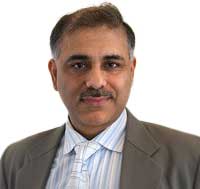
Andrew Smith

Andrew Smith

Consultant Orthopaedic Surgeon

Language(s): English

Location(s): Kent

Mr Andrew Smith specialises in carpal tunnel syndrome, trigger finger, hand and wrist arthritis and elbow issues.
Mr Andrew Smith arrow right
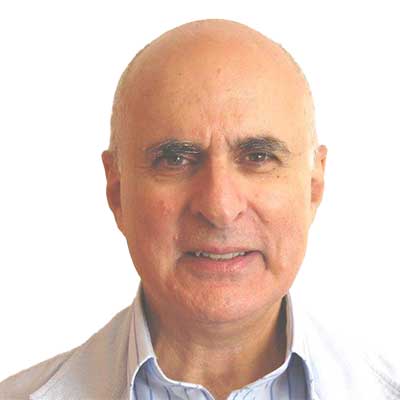
Hemant Thakral

Hemant Thakral

Consultant Orthopaedic Surgeon

Language(s): English

Location(s): Kent

Mr Thakral's specialties include shoulder arthroscopic surgery, hand and elbow issues and complex joint replacements for arthritis and trauma.

Mr Hemant Thakral arrow right
Dimitri Yanni

Dimitri Yanni

Consultant Orthopaedic Surgeon

Language(s): English, French

Location(s): Kent

Mr Dimitri Yanni's specialities include elbow, hand and wrist surgery.

Mr Dimitri Yanni arrow right

Contact us about Dupuytren’s fasciectomy

It's easy to find out more about treatment for Dupuytren’s contracture or to book a consultation by giving us a call or completing our enquiry form

Page last reviewed: 14 April 2026