Close Button
Treatment for peripheral nerve injury
If you’ve experienced damage to your peripheral nerve, we can help.
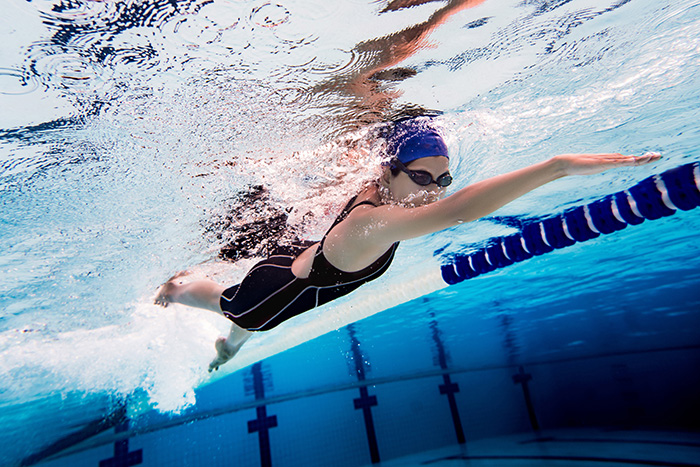
Woman swimming front crawl
FAQs Team Contact us
A woman and man walking in the hills
10% discount for Benenden Health members

Benenden Health members are entitled to 10% off treatments over £1,000. Payment plans available.

View member discounts arrow right
Two men cycling up a hill
Sports injury care

Injuries can be a frustrating and painful part of participating in physical activity. That's why we offer a wide range of self-pay treatment options - so you can get back to taking part in the sports you love.

Treatment for sports injuries arrow right

FAQs

What is a peripheral nerve? +

The peripheral nervous system connects the brain and spinal cord to the rest of the body through a network of 43 pairs of motor and sensory nerves.

What are the types of peripheral nerve injuries? +

Peripheral neuropathy

If you’re experiencing weakness, numbness and pain, usually in the hands and feet you could have peripheral neuropathy. This is often as a result of damage to the nerves located outside the brain and spinal cord (peripheral nerves). One of the most common causes of peripheral neuropathy is diabetes. In the UK it's estimated almost one in 10 people aged 55 or over are affected by peripheral neuropathy.

Ulnar neuropathy

If you’re suffering from damage to your ulnar nerve, you will most likely be experiencing pain and tingling which is similar to hitting your “funny bone”. This nerve travels down the arm to the wrist, hand and ring and little fingers.

What are the symptoms of peripheral nerve damage? +

The main symptoms of peripheral neuropathy (nerve damage) include:

  • Burning, stabbing or shooting pain in the affected areas
  • Numbness and tingling in the feet or hands
  • Loss of balance and co-ordination
  • Muscle weakness, especially in the feet

It can also affect other areas in the body such as digestion, urination and circulation.

Who is likely to get peripheral nerve damage? +

There are several factors which may increase your risk of experiencing a pinched, trapped, or compressed nerve, such as:

  • Rheumatoid arthritis – the inflammation caused by rheumatoid arthritis can compress the nerves in your joints
  • Bone spurs – trauma or a condition that causes bone thickening, such as osteoarthritis can cause bone spurs which can stiffen the spine and narrow the space where your nerves travel. This then pinches the nerves
  • Diabetes – people with diabetes have a higher risk of nerve compression
  • Obesity – excess weight can add pressure to the nerves
  • Prolonged bed rest – long periods of lying down can increase the risk of trapped nerves
  • Overuse – jobs or hobbies that require repetitive hand, wrist or shoulder movements increase your risk of a pinched nerve. Those working in the building and construction trades and manufacturing industries are more susceptible
  • Pregnancy – water and weight gain associated with pregnancy can swell nerve pathways, compressing your nerves
How is a peripheral nerve damage diagnosed? +

It can be difficult to diagnose peripheral neuropathy. Your Consultant will go through your patient history and do a physical examination to identify the cause of your symptoms.

Additional diagnostic tests may be carried out for further assessment, such as an MRI scan or an Electromyography (EMG). An EMG is a diagnostic procedure used to assess the health of muscles and the nerve cells that control them (motor neurons). Your EMG results can reveal nerve dysfunction, muscle dysfunction or problems with nerve-to-muscle signal transmission.

Nerves recover slowly and a full recovery without an intervention may take many months or several years. If your injury is caused by a medical condition, you should book an appointment with your GP or Consultant.

How are peripheral nerve injuries treated? +

If you have a mild nerve injury or lesion, non-surgical treatment options include medication or physiotherapy. If you have more severe injury, such as severely compressed nerves or cut nerves, you may need peripheral nerve surgery.

What happens during treatment for peripheral nerve injury? +

Peripheral nerve surgery to relieve symptoms of nerve injury or compression involves the decompression (release) of the trapped or damaged nerve or removal of the nerve. The extent of surgery and suitability for surgery will depend on your own situation and your consultant will be able to advise you on the best course of action

What should I expect after treatment for peripheral nerve injury? +

Following any surgery, it is very important that follow your consultant’s instructions to promote healing. It is also important that you attend follow-up appointments so that your long-term recovery can be assessed, and you can raise any questions or concerns you may have.

Group of mature friends hiking

Our consultant orthopaedic surgeons

Baljinder Singh Dhinsa

Baljinder Singh Dhinsa

Consultant Orthopaedic Surgeon

Language(s): English, Punjabi

Location(s): Kent

Mr Singh Dhinsa's specialties include hallux valgus surgery and management of foot and ankle conditions

Mr Baljinder Singh Dhinsa arrow right
Michael Dunning

Michael Dunning

Consultant Orthopaedic Surgeon

Language(s): English

Location(s): Kent

Mr Dunning's specialities include hallux valgus surgery, sports injuries of the foot and ankle and arthrodesis surgery.

Mr Michael Dunning arrow right
Christopher James

Christopher James

Orthopaedic and trauma consultant

Language(s): English

Location(s): Kent

Mr James' specialties include open and arthroscopic hand, wrist and elbow procedures.

Mr Christopher James arrow right
Crispin Southgate

Crispin Southgate

Consultant Orthopaedic Surgeon

Language(s): English

Location(s): Kent

Mr Southgate's specialities include foot and ankle conditions - covering sports injuries and more.
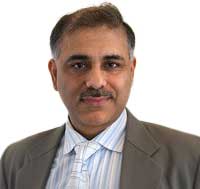
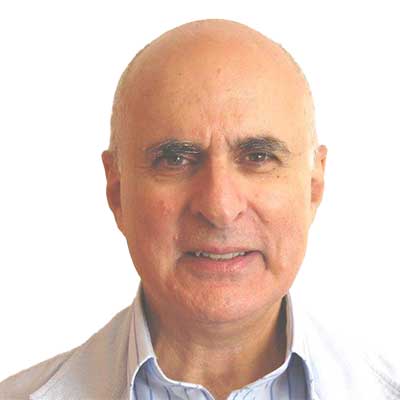
Mr Crispin Southgate arrow right
Hemant Thakral

Hemant Thakral

Consultant Orthopaedic Surgeon

Language(s): English

Location(s): Kent

Mr Thakral's specialties include shoulder arthroscopic surgery, hand and elbow issues and complex joint replacements for arthritis and trauma.

Mr Hemant Thakral arrow right
Dimitri Yanni

Dimitri Yanni

Consultant Orthopaedic Surgeon

Language(s): English, French

Location(s): Kent

Mr Dimitri Yanni's specialities include elbow, hand and wrist surgery.

Mr Dimitri Yanni arrow right

Contact us about treatment for peripheral nerve injury

It's easy to find out more about treatment or to book a consultation by giving us a call or completing our enquiry form.

Page last reviewed: 17 April 2026