Close Button
Arthrodesis treatment
Arthrodesis is treatment for an arthritic toe. During the operation the joint above the big toe is resected, and a small plate is applied on top of the joint to keep the toe in the right position while the bones heal.

A man examining his foot
FAQs Team Contact us
A woman and man walking in the hills
10% discount for Benenden Health members

Benenden Health members are entitled to 10% off treatments over £1,000. Payment plans available.

View member discounts arrow right
A couple looking at an ipad
Join our patient webinars

Whether you're thinking about treatment or want to know what to expect during your time with us, our regular patient webinars are a great way to find out more.

Free online talks arrow right

FAQs

What is arthrodesis? +

Arthrodesis is treatment for an arthritic toe. During the operation the joint above the big toe is resected, and a small plate is applied on top of the joint to keep the toe in the right position while the bones heal.


Why would I have arthrodesis? +

If you are suffering from an arthritic toe and other non-surgical treatments such as wearing insoles and toe separators have not helped to alleviate the pain.

What happens during arthrodesis? +

This is a day case procedure, and you will be at Benenden Hospital for between four and seven hours. During the operation the joint above the big toe is resected, and a small plate is applied on top of the joint to keep the toe in the right position while the bones heal. If the toe is not straight before surgery, we will be able to correct that during the operation. Bony spurs will be gone as well.

What should I expect after arthrodesis? +

When you return from theatre your foot will be bandaged and elevated. Before leaving the hospital most patients receive a stiff sole shoe and you are allowed to walk, bearing weight on the heel. Some need crutches for a few days. Most patients who have had the procedure are happy with the result, but some are not pain free. Most patients are able to walk fairly normally after the operation. You should keep the foot in an elevated position (the foot being above the heart) as much as possible – even during the night – for the first two weeks. This will reduce swelling and pain. Two weeks after surgery, most patients will have an appointment in our nurse led clinic, where the dressing and the stitches will be removed. The shoe should be used for six weeks, and it is important that you weight-bear only on your heel. Six weeks after the operation x-rays will be performed and you will see the surgeon in clinic.

A woman kicking a rugby ball

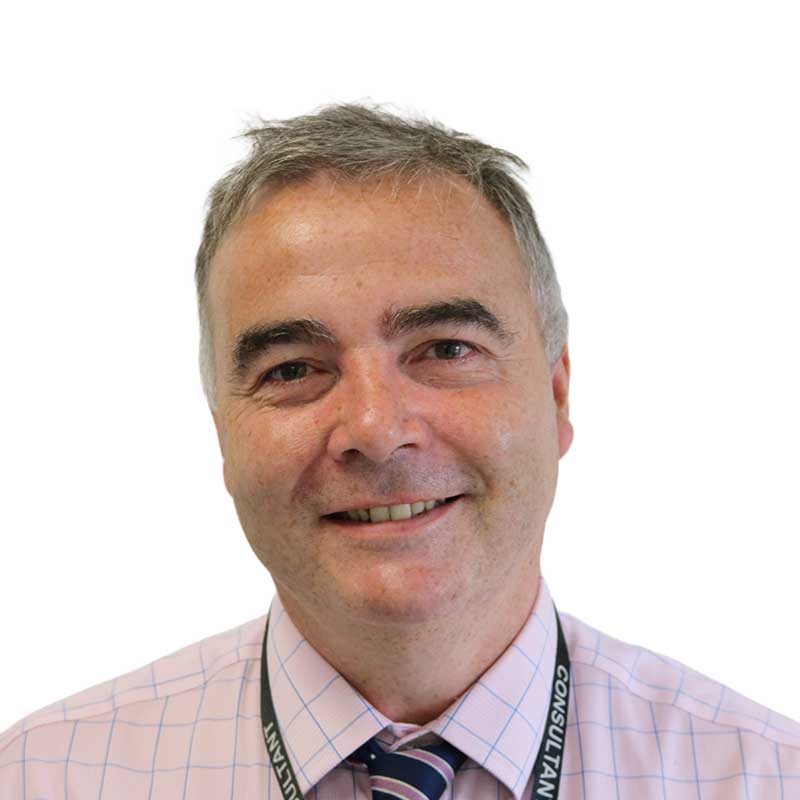
Our Consultant Orthopaedic Surgeons

Michael Dunning

Michael Dunning

Consultant Orthopaedic Surgeon

Language(s): English

Location(s): Kent

Mr Dunning's specialities include hallux valgus surgery, sports injuries of the foot and ankle and arthrodesis surgery.

Mr Michael Dunning arrow right
Baljinder Singh Dhinsa

Baljinder Singh Dhinsa

Consultant Orthopaedic Surgeon

Language(s): English, Punjabi

Location(s): Kent

Mr Singh Dhinsa's specialties include hallux valgus surgery and management of foot and ankle conditions

Mr Baljinder Singh Dhinsa arrow right
Crispin Southgate

Crispin Southgate

Consultant Orthopaedic Surgeon

Language(s): English

Location(s): Kent

Mr Southgate's specialities include foot and ankle conditions - covering sports injuries and more.

Mr Crispin Southgate arrow right
Hemant Thakral

Hemant Thakral

Consultant Orthopaedic Surgeon

Language(s): English

Location(s): Kent

Mr Thakral's specialties include shoulder arthroscopic surgery, hand and elbow issues and complex joint replacements for arthritis and trauma.

Mr Hemant Thakral arrow right

Contact us about arthrodesis treatment

It's easy to find out more about arthrodesis treatment or to book a consultation by giving us a call or completing our enquiry form.

Page last reviewed: 08 April 2026