
Benenden Health members are entitled to 10% off treatments over £1,000. Payment plans available.
About us
At Benenden Hospital, we’re dedicated to providing the best care and our patients are at the heart of everything we do.Plastic and cosmetic surgery
Embrace a new you with a range of procedures designed to improve your natural features.Fund your treatment
However you fund your treatment, you can feel confident choosing Benenden Hospital.Patient journey
As the only CQC rated Outstanding hospital in Kent, you can be confident in choosing Benenden Hospital for your diagnosis and treatment.Subacromial decompression is an operation used to treat a frozen shoulder. Arthroscopic describes the minimally invasive ‘keyhole’ method of carrying out the procedure, using an instrument inserted through a small incision.

Benenden Health members are entitled to 10% off treatments over £1,000. Payment plans available.
Injuries can be a frustrating and painful part of participating in physical activity. That's why we offer a wide range of self-pay treatment options - so you can get back to taking part in the sports you love.
A frozen shoulder (sometimes called adhesive capsulitis) occurs when the joint capsule surrounding the joint becomes thickened and swollen by the formation of scar tissue.
This process, which worsens over time, reduces the space available within the joint for the bone of the upper arm (humerus). It can be very painful and significantly reduce movement of your shoulder.
A frozen shoulder or locked shoulder can occur alongside other conditions, such as calcific tendonitis or ‘rotator cuff tear’, which affects the group of muscles that controls movements of the shoulder.
The exact causes of a frozen shoulder are often unclear. It may be due to irritation and swelling of the fluid filled sac that surrounds the shoulder joint. It may be due to the growth of bony spurs on the top of the shoulder blade; these usually occur due to osteoarthritis (the ‘wear and tear’ arthritis).
Several factors can increase your risk of developing a frozen shoulder, including:
The two most common frozen shoulder symptoms are pain and persistent stiffness in the joint. These may range from mild to severe and may become gradually worse over time (a number of months or years).
These symptoms can make the full and free movement of the shoulder very painful. Frozen shoulder pain might impact everyday tasks, such as dressing, sleeping, driving and working, making them difficult to perform.
There are three distinct phases of the condition:
Early frozen shoulder diagnosis and treatment is highly recommended to help prevent the persistent stiffness and pain caused by a frozen shoulder.
Your GP should be able to diagnose a frozen shoulder after discussing your symptoms and physically examining your shoulder, assessing the range of movement you have. He may refer you to our Consultant Orthopaedic Surgeons for further tests and appropriate treatment.
Treatment includes the use of painkillers, physiotherapy, or corticosteroid injections into the joint. When the condition significantly affects daily life, you may need surgery - known as manipulation under anaesthetic and/or a shoulder arthroscopy may be required to relieve the frozen shoulder.
Subacromial decompression is an operation used to treat a frozen shoulder (or ‘shoulder impingement’). Arthroscopic describes the minimally invasive ‘keyhole’ method of carrying out the procedure, using an instrument inserted through a small incision.

Arthroscopic (or ‘keyhole’) surgery is a less invasive procedure than open surgery and usually has excellent results with a shorter recovery time. During the procedure the joint, and the area surrounding it, is inspected and treated using an arthroscope inserted through three or more small incisions in the skin around your shoulder.
If you’re suffering from subacromial impingement, the space between your shoulder blade and tendons reduces in size, causing the bone to rub against the tendons when you raise your arm, restricting movement. Subacromial decompression can open up this space by removing any swollen or misplaced tissue or bone, resulting in improved movement of the shoulder joint.
This operation is usually carried out as day surgery which means you’ll be able to return home on the same day, but you won’t be able to drive yourself.
The procedure will be carried out under a general anaesthetic so you’ll be asleep during the operation. You may also have a local anaesthetic in the nerves of the shoulder to reduce discomfort following the operation.
Arthroscopic subacromial decompression usually takes about an hour, depending on the exact cause of your condition and what needs to be carried out to treat it. The arthroscope will give the surgeon a good view of the subacromial space within your shoulder and allow any damaged or abnormal areas to be repaired or reshaped.
At the end of the operation, the incisions will usually be closed with stitches.
After the operation your shoulder will be supported in a sling and cold packs may be applied to help reduce swelling and pain. We’ll help manage any discomfort with painkillers. You’ll probably need to take several days off work, depending on your occupation.
After the operation, most patients experience much more normal movement in the shoulder joint and reduced pain. Usually patients see the most improvements in the first six months.
A programme of physiotherapy will usually be suggested to help speed recovery and maintain improvement in movement.
Nik Bakti
Consultant Orthopaedic Surgeon
Language(s): English
Location(s): Kent
Mr Bakti specialises in shoulder procedures.
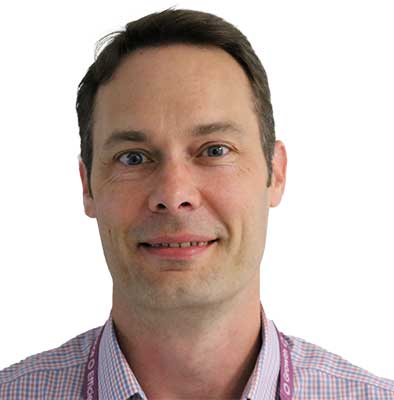
Mr Nik Bakti
Daniel Neen
Consultant Orthopaedic Surgeon
Language(s): English
Location(s): Kent
Mr Neen's specialities include clavicle surgery, shoulder surgery, elbow surgery and wrist and hand surgery.

Mr Daniel Neen
Ravi Singh
Consultant Orthopaedic Surgeon
Language(s): English
Location(s): Kent
Mr Ravi Singh's specialities include shoulder and upper limb disorders.
Mr Ravi Singh
Hemant Thakral
Consultant Orthopaedic Surgeon
Language(s): English
Location(s): Kent
Mr Thakral's specialties include shoulder arthroscopic surgery, hand and elbow issues and complex joint replacements for arthritis and trauma.
Mr Hemant ThakralIt's easy to find out more about treatment for a frozen shoulder or to book a consultation by giving us a call or completing our enquiry form.