Close Button
Cubital tunnel syndrome (treatment for compression)

Symptoms such as numbness, tingling and/or pain occur when the nerve becomes restricted by pressure within the tunnel, particularly on the inside of your elbow where it passes under the bony prominence known as the funny bone.


Woman stretching our her arm in pain
FAQs Team Contact us
A woman and man walking in the hills
10% discount for Benenden Health members

Benenden Health members are entitled to 10% off treatments over £1,000. Payment plans available.

View member discounts arrow right
A man carrying a pile of wooden planks on his shoulder
Work-related injury care

If you’re a manual worker, injuries such as strains and sprains can be debilitating. Discover our advice hub for injury prevention and treatment options.

Treatment for work-related injury arrow right

FAQs

What is Cubital Tunnel Syndrome? +

The cubital tunnel is made up of bones in your elbow and the forearm muscles which run across your elbow joint.  Your ulnar nerve passes through the tunnel to supply sensation to your fingers and information to the muscles that help move your hand.

Symptoms such as numbness, tingling and/or pain occur when the nerve becomes restricted by pressure within the tunnel, particularly on the inside of your elbow where it passes under the bony prominence known as the funny bone. This can result in Cubital Tunnel Syndrome.

What are Cubital Tunnel Syndrome symptoms? +

The most common Cubital or Ulnar Tunnel Syndrome symptoms are numbness, tingling and pain in the elbow or in the forearm and the hand at the base of the little and ring fingers. You might also notice that you drop things more often as your grip weakens.

These symptoms are more likely when you put pressure on the nerve, for example when you’re resting your elbow on a chair arm, when the elbow is bent for a long period of time - such as when you’re on the phone - and sometimes after sleeping.

How is Cubital Tunnel Syndrome diagnosed? +

Your Consultant will discuss your medical history and general health, including the type of work you do, any activities which may aggravate the condition as well as any medications you’re taking.

They’ll examine your arm and hand to determine which nerve is compressed, and where. They will also assess feeling and strength in your hand and fingers and whether moving your neck, shoulder, elbow and wrist causes symptoms. A nerve conduction test may be required.

What Cubital Tunnel Syndrome treatment can I have? +

You might be able to change the way you use your elbow and avoid situations which could trigger pressure or pain.   A splint to keep your arm straight at night may help. However, in more severe cases, cubital tunnel surgery may be recommended to relieve the pressure on the nerve.

What happens during treatment for Cubital Tunnel Syndrome? +

Your surgeon will make a cut over the back of the inner side of your elbow and will cut any tight tissue that is compressing the nerve.

Your surgeon may need to remove a piece of bone or move the nerve so it is in front of the elbow. They will discuss this you.

Your surgeon will close your skin with stitches or clips.

What should I expect after surgery for Cubital Tunnel Syndrome? +

You should be able to go home the same day as your operation, but do not drive, or do any dangerous activities (including cooking) for 24 hours.

How much does Cubital Tunnel Syndrome treatment cost? +

Contact our Private Patient Team on 01580 363158 or via our online quotation form to request a quote, or view our pricing page for more information.

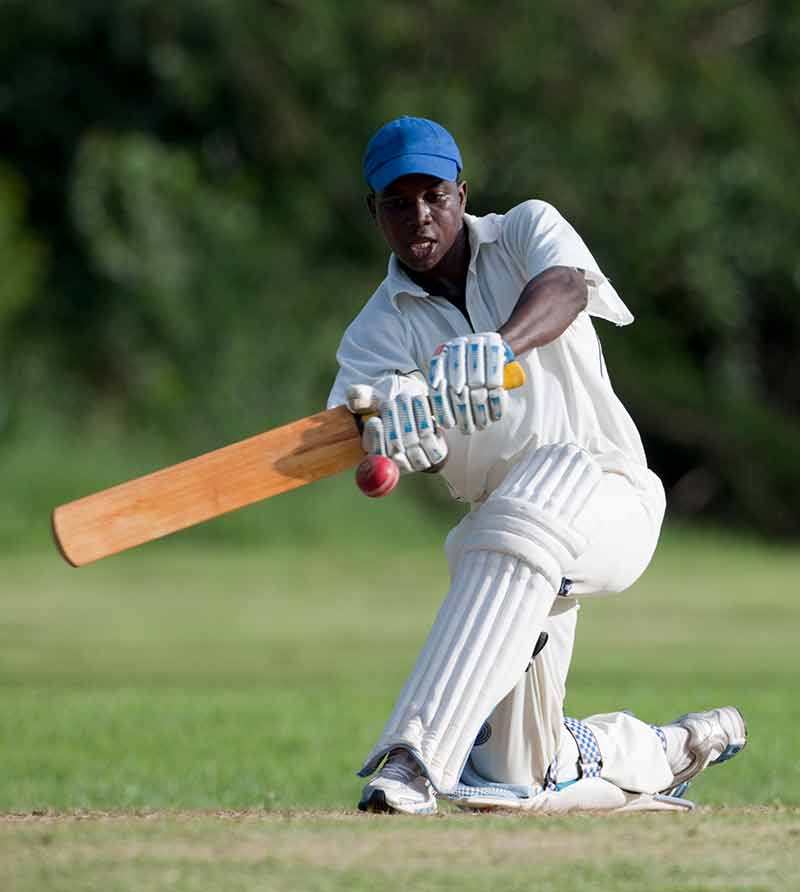
Man playing cricket

Our consultant orthopaedic surgeons

Christopher James

Christopher James

Orthopaedic and trauma consultant

Language(s): English

Location(s): Kent

Mr James' specialties include open and arthroscopic hand, wrist and elbow procedures.

Mr Christopher James arrow right
Daniel Neen

Daniel Neen

Consultant Orthopaedic Surgeon

Language(s): English

Location(s): Kent

Mr Neen's specialities include clavicle surgery, shoulder surgery, elbow surgery and wrist and hand surgery.

Mr Daniel Neen arrow right
Andrew Smith

Andrew Smith

Consultant Orthopaedic Surgeon

Language(s): English

Location(s): Kent

Mr Andrew Smith specialises in carpal tunnel syndrome, trigger finger, hand and wrist arthritis and elbow issues.

Mr Andrew Smith arrow right
Hemant Thakral

Hemant Thakral

Consultant Orthopaedic Surgeon

Language(s): English

Location(s): Kent

Mr Thakral's specialties include shoulder arthroscopic surgery, hand and elbow issues and complex joint replacements for arthritis and trauma.

Mr Hemant Thakral arrow right

Contact us about cubital tunnel treatment

It's easy to find out more about treatment for cubital tunnel syndrome or to book a consultation by giving us a call or completing our enquiry form

Page last reviewed: 14 April 2026