Benenden Health members are entitled to 10% off treatments over £1,000. Payment plans available.
About us
At Benenden Hospital, we’re dedicated to providing the best care and our patients are at the heart of everything we do.Plastic and cosmetic surgery
Embrace a new you with a range of procedures designed to improve your natural features.Fund your treatment
However you fund your treatment, you can feel confident choosing Benenden Hospital.Patient journey
As the only CQC rated Outstanding hospital in Kent, you can be confident in choosing Benenden Hospital for your diagnosis and treatment.If you are suffering from pain, tenderness or weakness in your arm as a result of a biceps tendon tear, our surgical procedure can ease your pain. A biceps tenodesis is surgery to treat a tear in the tendon which connects your biceps muscle to your shoulder. The tenodesis may be performed alone or as part of a larger procedure on your shoulder.
Benenden Health members are entitled to 10% off treatments over £1,000. Payment plans available.
Injuries can be a frustrating and painful part of participating in physical activity. That's why we offer a wide range of self-pay treatment options - so you can get back to taking part in the sports you love.

If you’ve been diagnosed with a tear in the tendon which connects your biceps muscle to your shoulder you may require a tenodesis of your bicep tendon. Your tendons attach muscle to bone and your biceps tendons attach the biceps muscle of your upper arm to the elbow on one end and to the shoulder on the other. A long head biceps tendon (LHB) is the most common type of biceps tendon injury.
Tears in your biceps tendon may develop over time from repetitive motions of the shoulder or happen quickly from a traumatic injury. The most common type of biceps tendon injury occurs in the long head biceps tendon. Symptoms of a biceps tendon tear can include:
Some people are more prone to tearing their biceps tendon due to lifestyle choices and unavoidable factors such as:
If you are experiencing any of the symptoms of a biceps tendon tear, you can still function well. You can have simple treatments such as applying ice, taking pain relief, rest, physiotherapy and cortisone injections may all help with recovery. However, if these non-surgical methods do not help, your Consultant will assess your mobility in your arm and shoulder to determine how severe your bicep tear is.
Biceps tenodesis is performed under general anaesthesia and is usually carried out through a small, open incision. Before beginning the surgery, your surgeon will first look inside the shoulder joint with a small camera called an arthroscope.
During a biceps tenodesis surgery, your Surgeon will insert a special type of screw or anchoring device into the upper part of the humerus (the upper arm bone). Your surgeon will then operate on the long head of the biceps and sew the remaining portion of the tendon onto the anchoring device so that it’s reattached to the humerus.
Your recovery time from a biceps tenodesis is a long process. Your Consultant will advise you to rest, wear a sling and physiotherapy. Four to six months after surgery, you can expect to have a functional range of motion adequate strength. It can take up to a year to make a complete recovery.
Nik Bakti
Consultant Orthopaedic Surgeon
Language(s): English
Location(s): Kent
Mr Bakti specialises in shoulder procedures.
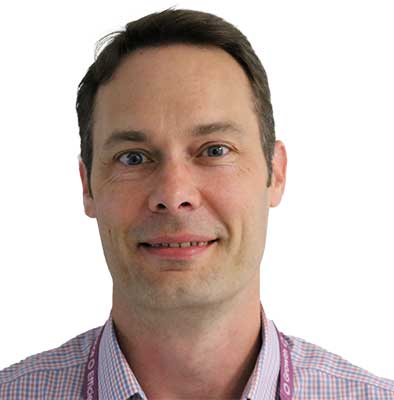
Mr Nik Bakti
Daniel Neen
Consultant Orthopaedic Surgeon
Language(s): English
Location(s): Kent
Mr Neen's specialities include clavicle surgery, shoulder surgery, elbow surgery and wrist and hand surgery.
Mr Daniel Neen
Hemant Thakral
Consultant Orthopaedic Surgeon
Language(s): English
Location(s): Kent
Mr Thakral's specialties include shoulder arthroscopic surgery, hand and elbow issues and complex joint replacements for arthritis and trauma.
Mr Hemant ThakralIt's easy to find out more about treatment or to book a consultation by giving us a call or completing our enquiry form.